
 11
11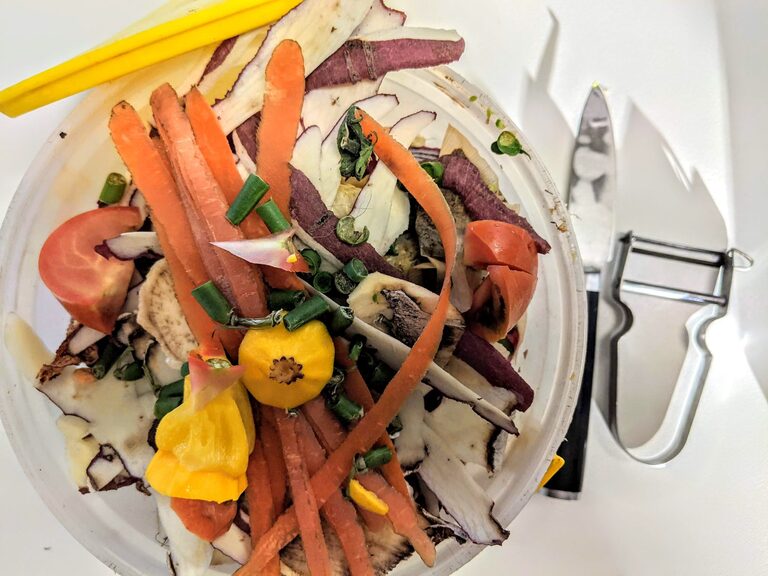
Reducing food waste at home is a simple way to save money, conserve resources, and protect the environment. Did you know that a large percentage of the food we buy ends up being thrown away? By making a few mindful changes in how you shop, store, and use food, you can make a big difference. Here’s a friendly guide to help you cut down on food waste in your kitchen.
Food waste affects more than just your budget. When food is discarded, all the energy and water used to produce, transport, and store it are also wasted. Additionally, food sent to landfills produces methane, a potent greenhouse gas. By reducing food waste, you contribute to a more sustainable planet.
Before grocery shopping, plan your meals for the week. This helps you buy only what you need and reduces impulse purchases that may go unused.
– Write down breakfast, lunch, dinner, and snacks.
– Check your pantry and fridge to use existing ingredients first.
– Use simple recipes that can share ingredients to avoid leftover bits.
Once your meal plan is set, make a detailed shopping list to guide your purchases. Stick to it to avoid buying extra food that might spoil.
Try to buy food in quantities that match your household’s consumption to avoid spoilage. For example, if fresh herbs tend to go bad before you use them, buy smaller amounts or consider growing your own.
Buying loose fruits and vegetables allows you to select the exact quantity you need instead of pre-packaged amounts that might be excessive.
“Best before” dates usually indicate quality, not safety. You can often safely consume fresh products after this date if they show no signs of spoilage.
Proper storage extends the life of your food and keeps it fresh longer.
Keep older items in front and new purchases in the back so you use older foods first.
Storing leftovers and bulk ingredients in clear containers helps you see what you have to use before it spoils.
Some fruits release ethylene gas which speeds up ripening in nearby produce. For instance, keep apples separate from leafy greens.
Freezing leftovers, bread, and even fruits or vegetables can extend their shelf life significantly.
Transform leftovers into new dishes like soups, casseroles, or stir-fries. This reduces waste and adds variety to your meals.
Save peels, stems, and trimmings to make homemade vegetable stock.
If you have extra fresh produce or cooked meals, consider sharing with friends, neighbors, or local food programs.
Serving appropriate portion sizes helps prevent uneaten food on plates. If you’re unsure, start with smaller portions and add more if needed.
Despite your best efforts, some food waste is inevitable. Composting fruit and vegetable scraps helps reduce landfill waste and creates nutrient-rich soil for gardening.
Keep a small journal or use an app to record the food you discard, so you can identify patterns and adjust your habits accordingly.
—
By incorporating these simple strategies into your daily routine, you can significantly reduce the amount of food wasted at home. Not only will you save money, but you’ll also be contributing to a healthier planet. Start small—every bit helps!