
 11
11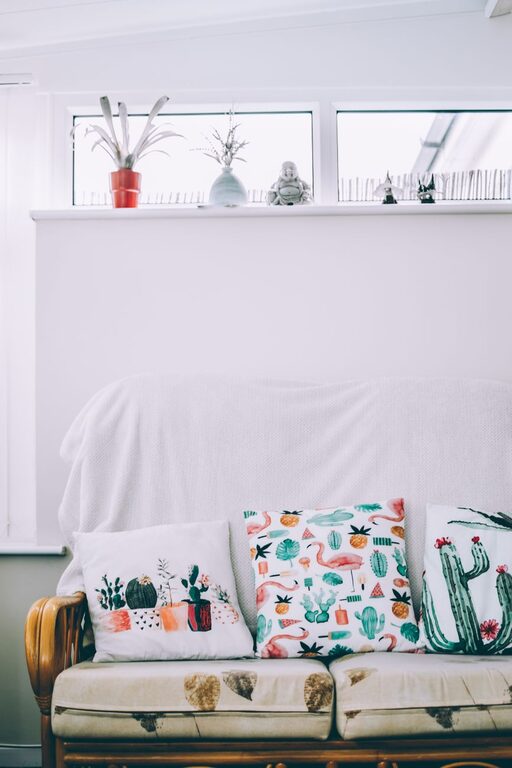
Having a dark room can sometimes feel gloomy and uninviting. Whether your space lacks natural light or has a layout that blocks sunlight, there are plenty of quick and easy ways to brighten it up. In this post, we’ll explore practical ideas that can transform a dark room into a lively, welcoming area without costly renovations. From lighting choices to clever décor tricks, you’ll find solutions that suit many styles and budgets.
A brighter room doesn’t just look better; it impacts mood, energy, and how you use the space. Well-lit rooms feel larger and more open, making them more comfortable for relaxation, work, or entertaining. Improving the light can also highlight your interior design and make your home feel more cheerful overall.
Heavy curtains block sunlight and can make a room feel smaller. Swap them for light-colored, sheer curtains that let daylight filter through while maintaining privacy. This simple change can dramatically increase natural light.
Sometimes the simplest fix is cleaning. Dirt and grime on windows reduce the amount of light entering your room. Clean windows inside and out allow maximum sunlight to brighten your space.
Avoid placing large furniture near windows where it can block light. Arrange seating and tables to open up windows and allow sunlight to spread across the room.
Instead of relying on a single overhead light, use a mix of lamps, sconces, and ceiling fixtures. Layered lighting provides more even distribution and can eliminate dark corners.
– Ambient Lighting: General ceiling lights or fixtures for overall brightness.
– Task Lighting: Desk lamps, reading lights, or under-cabinet lights for focused use.
– Accent Lighting: Spotlights or decorative lamps to highlight artwork or architectural features.
LED bulbs with a color temperature around 5000K offer bright, daylight-like light. They help mimic natural sunlight better than warm yellow bulbs, making rooms appear clearer and more vibrant.
Place mirrors across from windows or light sources to reflect light around the room. Large mirrors or multiple smaller ones create an illusion of space and improve brightness by bouncing light.
Lighter paint colors such as white, cream, soft gray, or pastel tones reflect more light than dark colors. If repainting is an option, choosing a light color palette will instantly brighten your room.
Paint finishes like satin or semi-gloss reflect more light than matte finishes. Using these on walls or trim can subtly enhance the room’s brightness.
If possible, go for light-colored flooring or add pale rugs. Just like walls, they reflect light and help brighten the space.
Furniture in white, cream, or natural wood tones will feel lighter and airier. Dark furniture can absorb light and make rooms feel heavier.
Glass tables, acrylic chairs, or clear decor allow light to pass through and keep the room feeling open, which adds to the overall brightness.
Bright pillows, artwork, and throw blankets in cheerful colors can liven up a dark room without overwhelming. Opt for colors that complement your light walls for balance.
A cluttered space can feel cramped and darker. Clearing away unnecessary items opens up space for light to move freely.
Instead of bulky cabinets, open shelving displays items without enclosing the space, providing more openness and light reflection.
If structural changes are an option, installing a skylight or solar tube can introduce natural light to otherwise dark rooms.
Special reflective or light-diffusing window films can increase the amount of light entering while reducing glare.
Brightening a dark room doesn’t require a complete overhaul. With a few thoughtful adjustments—improving lighting, choosing reflective colors, rearranging furniture, and adding bright accents—you can create a cheerful and inviting space. Try combining several of these ideas to find what suits your room best and enjoy a brighter, happier home environment.